Small Bathroom Ideas: Space-Smart Refresh
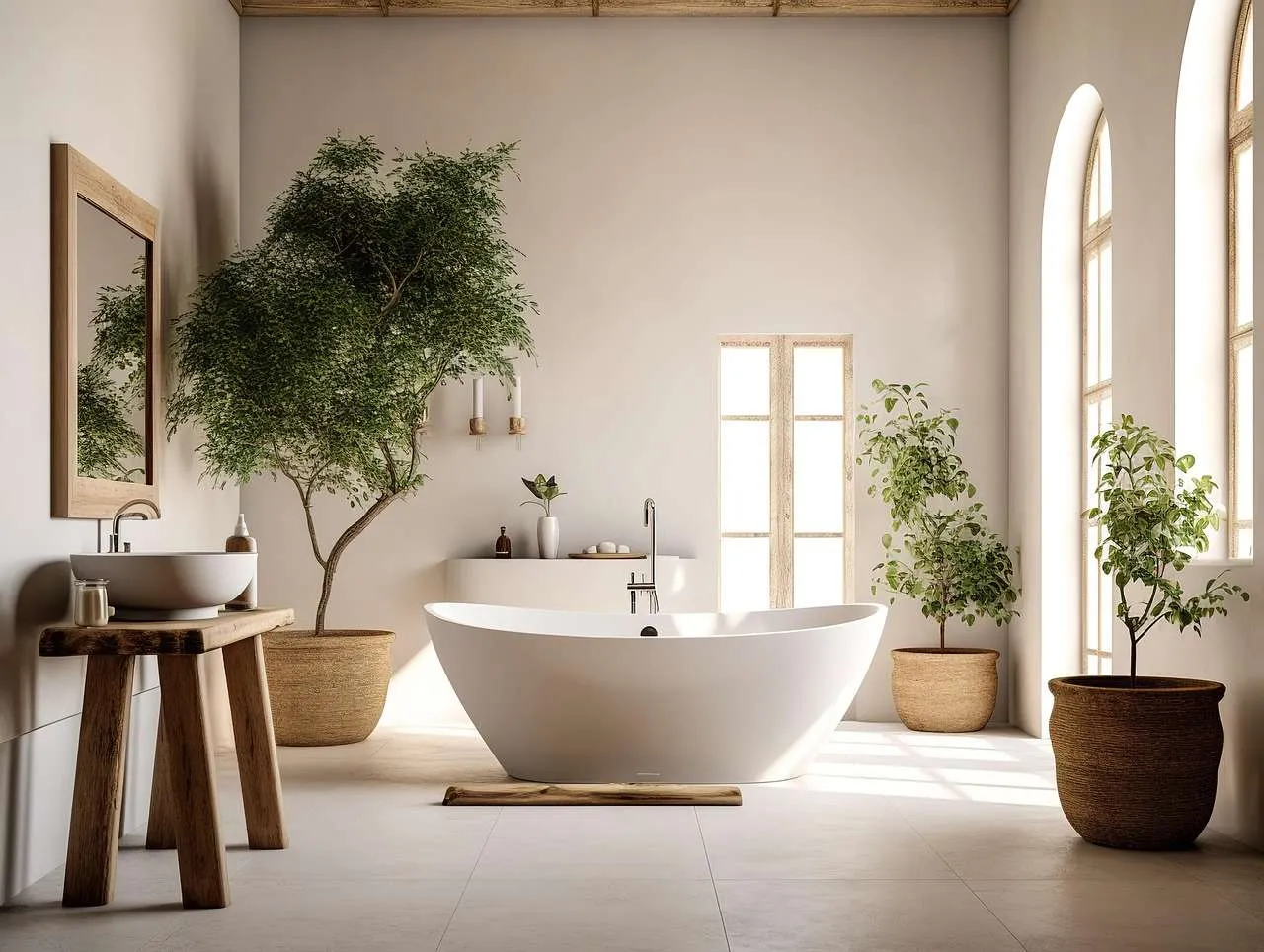
As a seasoned design professional, I help homeowners transform tight bathrooms into calm, efficient spaces. This article offers small bathroom ideas grounded in real-world design practices, with attention to layout, storage, materials, lighting, and budget. The guidance reflects decades of experience in moisture-prone environments and follows proven best practices to deliver both function and style.
Smart Layouts for Small Bathrooms
Layout is the foundation of a successful small bathroom. Start by mapping door swing, plumbing walls, and the three core fixtures: toilet, sink, and shower. A compact shower and a wall-mounted vanity create generous open floor space, while preserving necessary storage. If possible, position the entrance so the sink is visible from the doorway, which visually expands the room and improves airflow.
Zoning and traffic flow
Clear traffic paths prevent bottlenecks. Keep the sink area near the door for quick handwashing and place the toilet and shower on opposite walls or in a corner to minimize cross-traffic. In ultra-small spaces, a pocket door can reclaim precious floor area by eliminating the door swing that encroaches on usable space.
Storage Solutions That Save Space
Effective storage is the heart of a tidy, functional bathroom. Build in recessed niches in the shower wall for shampoo and soap, install a medicine cabinet that doubles as a mirror, and choose a vanity with integrated drawers or pull-out organizers. Over-the-toilet shelves or a tall, narrow cabinet leverages vertical space without crowding the floor.
Visual Tricks: Color, Light, and Materials
Color and materials influence perceived size. Light, neutral palettes reflect more light and make the room feel airier. Use large mirrors or mirrored surfaces to extend sightlines and brighten corners. Choose consistent tile sizes and minimal grout lines to reduce visual busyness, and consider a clear glass shower enclosure to maintain uninterrupted lines across the space.
Fixtures and Fittings
Compact, water-efficient fixtures are essential. Wall-mounted sinks and toilets free up floor area and create the impression of more space. A corner shower or curved-curtain-free enclosure can maximize usable footprint, while a handheld showerhead adds versatility without bulk. Selecting universal design fixtures also enhances accessibility and resale value.
Lighting and Ventilation
Layered lighting is key in small rooms. Combine a bright overhead fixture with task lighting around the mirror and subtle ambient lighting to prevent shadows. Use humidity-rated fixtures and ensure there is adequate ventilation to prevent moisture buildup. A compact exhaust fan or an inline vent improves air quality and longevity of finishes.
Flooring and Durability
Durable, moisture-resistant flooring like porcelain tile or high-quality luxury vinyl stands up to daily use and moisture. Lighter-toned floors with a subtle texture can make a compact bathroom feel larger, while non-slip surfaces improve safety. If budget allows, radiant floor heating adds comfort and luxury in colder climates.
Budget and Implementation Plan
Plan in phases to balance impact with cost. Start with quick wins—improve lighting, update the mirror, and add recessed storage—then tackle bigger changes like a new vanity or shower configuration. If a full remodel isn’t possible, swap hardware, regrout with a lighter shade, and introduce a frameless mirror to refresh the space without major upheaval.
Comparison of Layout and Fixture Options
| Idea | Space Impact | Estimated Cost | Best For |
|---|---|---|---|
| Wall-mounted vanity | Opens under-vanity storage and leaves floor visible | Low–Medium | Vertical space efficiency, cleaner look |
| Pocket door | Eliminates door swing space | Medium | Very small footprints |
| Recessed niches | Storage without clutter | Low | Minimalist, wet zones |
| Corner shower or curbless shower | Maximizes showering area without central crowding | Medium | Renovation-ready spaces |
Conclusion, small bathroom ideas that work are not about expensive remodels but about thoughtful planning, smart storage, and durable finishes. By optimizing layout, choosing space-saving fixtures, and layering lighting, you can create a room that feels larger and functions better every day. Start with a measured plan, select timeless materials, and prioritize features that deliver the biggest impact in a compact footprint.